Written by
Zoom Drain Phoenix Team
Published on
August 10, 2026

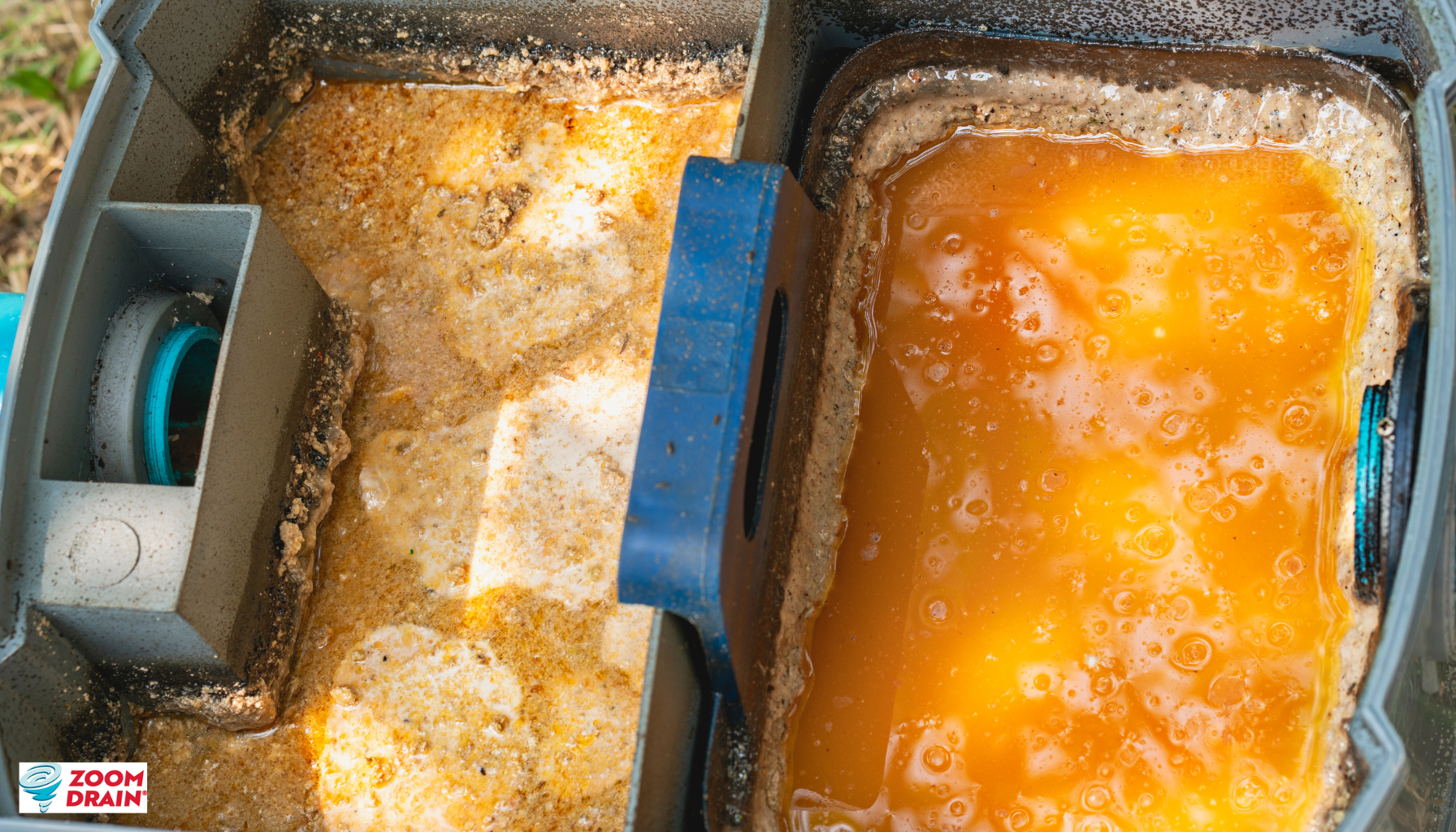
Commercial kitchens, restaurants, and food processing facilities across Phoenix operate under strict municipal wastewater standards. Fats, oils, and grease, commonly referred to as FOG, create significant risks for municipal sewer infrastructure when allowed to enter the drain system. In the hot Arizona climate, grease quickly hardens, forming stubborn blockages that cause line backups, structural pipe damage, and heavy administrative fines.
Proper grease interceptor management's both an operational necessity and a legal obligation under Phoenix City Code Chapter 32C. At Zoom Drain, we help local restaurant owners, commercial kitchen managers, and institutional facilities maintain full regulatory compliance with reliable, professional grease trap pumping and line maintenance services across the Valley.
Need Reliable Grease Trap Pumping in Phoenix?
Keep your kitchen compliant and avoid costly city fines. Contact Zoom Drain Phoenix today at (602) 613-1114 to schedule your flat rate grease interceptor service or book your service online now!
Matching your facility layout with the right service approach keeps operating costs predictable, prevents emergency plumbing backups, and satisfies city code enforcement.
Maintaining an effective grease containment system requires a systematic approach during every service visit:
The Water Services Department in Phoenix enforces commercial pretreatment standards to protect municipal sewer collection systems. Food service facilities, from historic eateries along Roosevelt Row to bustling resort kitchens in Biltmore and Desert Ridge, must adhere to three core operational mandates.
The universally recognized standard for grease trap maintenance's the 25 percent rule. Under this requirement, the combined depth of the top floating FOG layer and the bottom settled solids layer must never exceed 25 percent of the total liquid depth inside the interceptor. Once the combined accumulation reaches this threshold, the interceptor loses structural efficiency, allowing raw grease to escape into the public sewer collection network.
Service frequency depends primarily on the physical size and type of grease interceptor installed on the property:
Phoenix commercial compliance inspectors conduct unannounced visits to verify service logs. Facilities must maintain detailed waste haul manifests on site for a minimum of three years. These records must document the total volume removed, the date of service, the identity of the licensed liquid waste transporter, and the approved disposal site location.
City codes strictly forbid the use of chemical enzymes, emulsifiers, hot water flushes, or solvent additives designed to liquify grease. While these additives appear to clear the grease trap, they simply push dissolved grease further down the sewer system where it cools, solidifies, and creates massive underground blockages. Commercial facilities caught using chemical bypass methods face significant municipal penalties.
Kitchen staff across Downtown Phoenix and Arcadia should implement simple best management habits to minimize grease loading:
Managing a busy kitchen leaves no room for unexpected plumbing emergencies or failed city inspections. When you partner with Zoom Drain, you get specialized expertise focused entirely on wastewater lines:
Failing a municipal FOG inspection can result in immediate corrective orders, administrative fines ranging from hundreds to thousands of dollars, and potential liability for sewer cleanup costs if a public backup occurs. Repeat non compliance can lead to the revocation of industrial wastewater discharge permits.
Technicians lower a clear core sampling tool to the bottom of the interceptor tank. The tool locks the liquid column in place, allowing visual measurement of the top floating grease layer, middle water layer, and bottom sludge layer to calculate the exact percentage of total depth occupied by waste.
While self cleaning small under sink units's legally permitted in some contexts, complete disposal requires transferring waste into legal containment and filing formal manifests. Professional service ensures proper scraping, complete solids removal, odor control, and compliant manifest tracking.
High ambient temperatures in summer accelerate ambient grease decomposition inside tanks, generating harsh unpleasant odors and acidic compounds. Warm thermal conditions also slow down natural cooling separation inside the interceptor, making proper tank sizing and regular maintenance critical.
Hydromechanical grease traps're smaller units installed indoors near kitchen fixtures with flow rates under fifty gallons per minute. Gravity grease interceptors're large outdoor tanks buried underground that process high volume wastewater flow from entire commercial kitchens.
Phoenix regulatory guidelines require commercial facilities to retain all grease pumping manifests, service receipts, and maintenance logs on site for at least three years. These documents must be readily accessible to municipal compliance inspectors during business hours.
Don't let an overflowing grease trap disrupt your business operations or trigger municipal penalties. Whether you operate a cafe in Downtown Phoenix or a full service restaurant near South Mountain, Zoom Drain Phoenix's here to keep your system clean and compliant.
Contact our commercial service specialists today at (602) 613-1114 or schedule your service online to set up a reliable grease trap maintenance program tailored to your facility!