Written by
Zoom Drain Phoenix Team
Published on
August 10, 2026
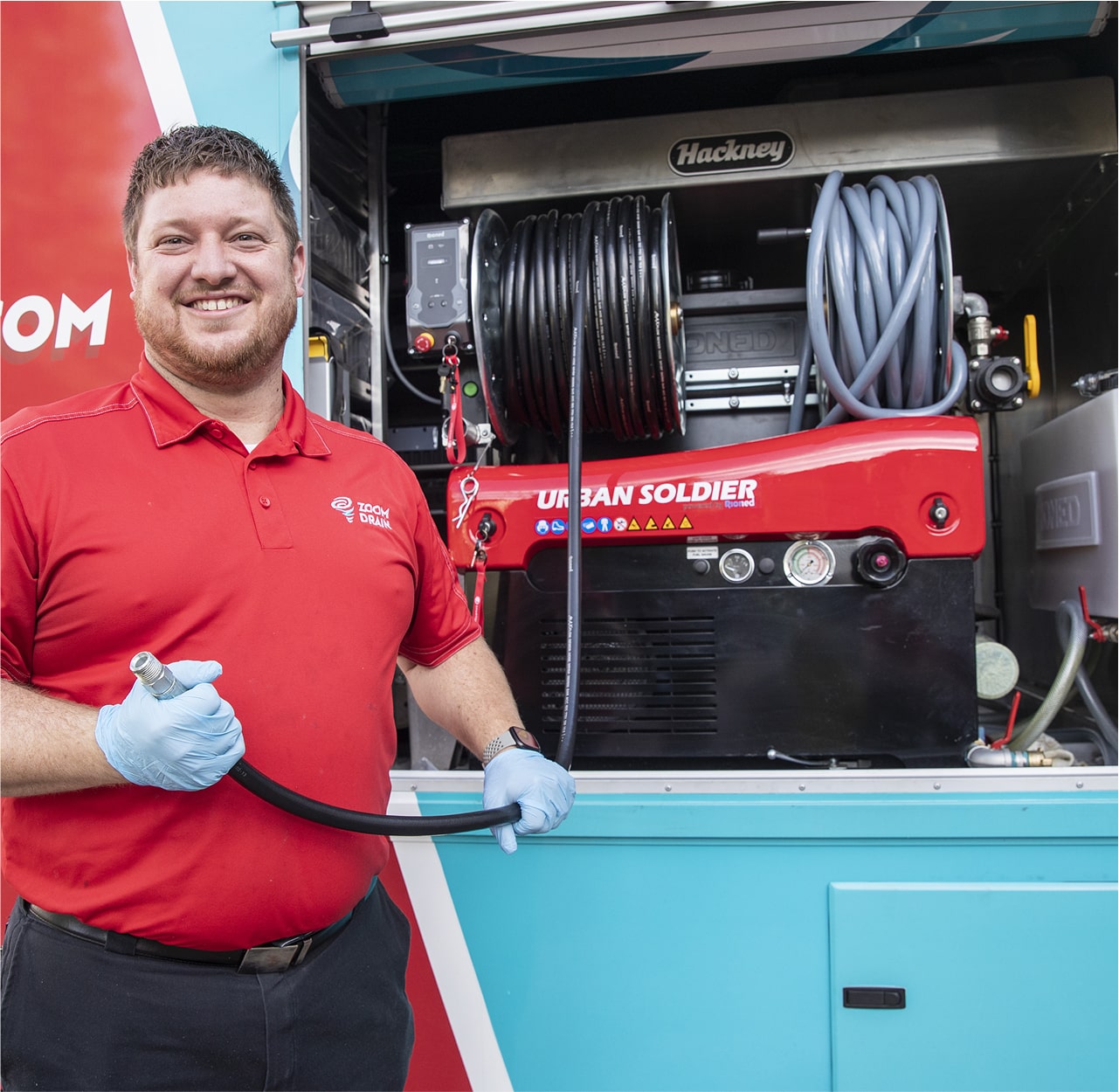
Typical hydro jetting in Phoenix costs between $400 and $1,200, with most homeowners paying an average of $650 to restore a main sewer line to clean condition. Your exact cost depends on the size of the pipe, the location of your cleanout, the severity of the blockage, and the access point of the line.
While a standard drain snake only punches a temporary hole through a clog, hydro jetting uses high-pressure water up to 4,000 PSI to scour the entire pipe wall clean. This process removes years of grease, mineral scale, and tree roots to prevent future backups.
The table below outlines typical Phoenix pricing. Your exact price is provided after a professional, on-site sewer camera inspection to diagnose the structural state of the pipe.
The Four Factors That Move Your Price
Several physical factors will determine where your job falls within our $400 to $1,200 price range. Because underground plumbing systems across Maricopa County vary greatly by age and design, no two hydro jetting jobs are identical.
Plumbing systems require an entry point to allow our high pressure hoses and nozzles access to your sewer line. If your property features an easily accessible ground level outdoor cleanout, our technicians can get to work quickly.
However, if your home lacks an outdoor cleanout, our technicians must create alternative access. This may require:
These complex entry points require additional site preparation, specialized safety equipment, and post service cleanup, which increases overall labor times and project costs.
The composition of the clog determines the amount of time and water pressure required to clear it. Soft clogs like grease, soap residue, and organic waste wash away quickly under high pressure.
In contrast, hard, structural obstructions take significantly longer to clear. Aggressive desert tree roots from Mesquite or Palo Verde trees can grow into dense, wood like balls inside sewer pipes. Clearing these roots requires specialized rotating cutter heads and multiple slow, meticulous passes.
Additionally, the mineral rich tap water in the Phoenix area leads to the formation of calcified, rock hard hard water scale on the inner walls of pipes. This concrete like scale must be carefully shaven away with high performance jetting nozzles to restore optimal flow.
The overall size and reach of the sewer line determine the size of the equipment required. Jetting a short, 50 foot lateral sewer line on a compact residential lot requires less time and resource setup than clearing a 150 foot main line on a sprawling historic property. Larger pipes with wider diameters also require higher volumes of water flow to properly flush away dislodged debris, which can impact the complexity of the service.
Before we perform any high pressure cleaning, we conduct a detailed sewer camera inspection. This step is critical because aging or damaged pipes cannot always withstand high water pressures.
If the camera inspection reveals structural compromises, such as:
In these situations, high pressure hydro jetting may not be structurally safe. If your pipes are too weak to undergo jetting, we must pivot to alternative repair options, trenchless pipe lining, or mechanical snake clearing to avoid a complete pipe failure.
When faced with a main sewer backup, renting a consumer-grade sewer jetter attachment for a standard pressure washer at a local home improvement store is a tempting DIY option. These rentals generally cost between $70 to $100 per day.
However, while appealing on paper, attempting to hydro jet your own main sewer line carries severe, hidden risks that can easily turn a simple clearing job into an incredibly expensive disaster.
A standard drain snake (or motorized cable) is designed to punch a temporary hole through an active blockage to get water flowing again. However, snaking leaves behind thick layers of grease, mineral scale, tree root remnants, and organic buildup clinging to the pipe walls. This allows a new clog to quickly form in the exact same spot.
In contrast, hydro jetting uses ultra-high pressure water to scrub the entire interior wall of the pipe back to its full original diameter. This comprehensive scouring means the results last three to four times longer than basic snaking.
Yes. We perform a thorough high-definition sewer camera inspection before initiating any hydro jetting service. This inspection allows us to verify that your sewer line is structurally sound and to locate the exact source and nature of the blockage. This diagnostic step is included with our main line hydro jetting services to ensure the cleaning is done safely. After the jetting is complete, we run the camera a second time to prove that your line is 100% clear.
Standard homeowners insurance policies rarely cover preventative maintenance, routine plumbing cleaning, or wear-and-tear issues like hydro jetting. However, if a sudden, accidental sewer backup causes water damage inside your home, your insurance policy may cover the restoration and cleanup costs. We recommend checking if you have a "Water Backup and Sewer Overflow" rider on your policy, which specifically handles sewer-related incidents.
If performed by untrained operators or on already-collapsed lines, yes, high-pressure water can cause damage. However, when done professionally, it is incredibly safe. This is exactly why we perform a mandatory pre-jetting camera inspection. If we discover fragile, decaying orangeburg, heavily corroded thin cast iron, or fractured clay pipes, we will not proceed with high-pressure jetting. Instead, we will recommend safer, alternative rehabilitation methods.
For a standard residential home with no major structural pipe defects, a professional hydro jetting service once every 2 to 3 years is an excellent preventative maintenance routine. However, if your property is surrounded by mature, water-seeking trees (which cause recurring root intrusion) or if you run a commercial kitchen or restaurant that processes high volumes of fats, oils, and grease (FOG), you may require hydro jetting annually or even semi-annually.
Yes. In fact, hydro jetting is often the only non-invasive way to clear severe, compacted blockages like solid grease logs, heavy sand/slurry accumulation, and thick root masses. If the line is completely backed up, we will first use a mechanical drain snake to punch a small "relief hole" to drain the standing water. Once the water level recedes, we introduce the hydro jetter to completely scour and wash the remaining debris down the line.