Written by
Zoom Drain Phoenix Team
Published on
August 10, 2026

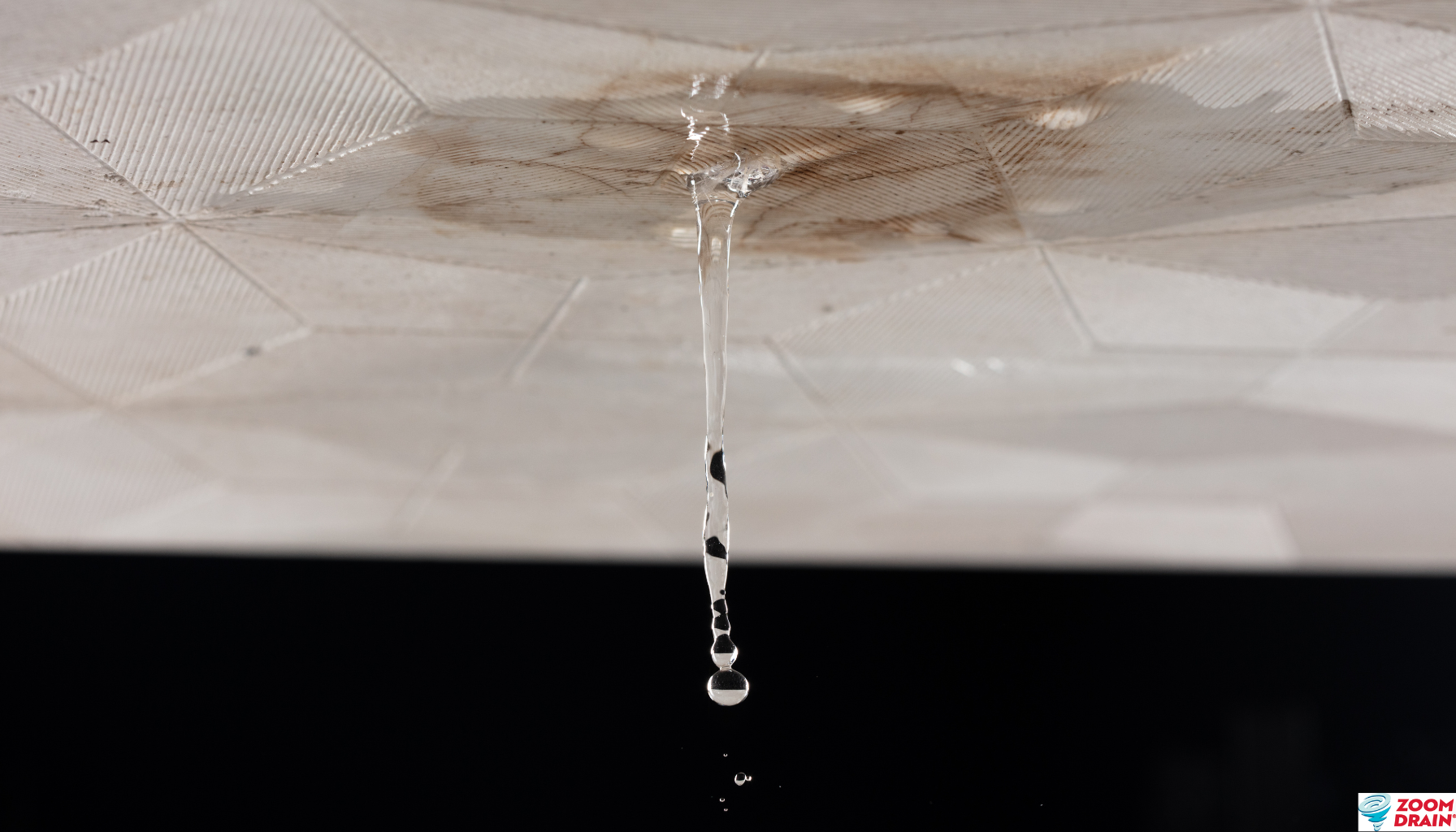
A slab leak is one of the more unsettling plumbing problems a homeowner can face, mostly because the damage is happening somewhere you cannot see, under a concrete foundation that most people assume is solid and permanent. Arizona homes are especially prone to this issue thanks to a combination of soil conditions, water quality, and extreme summer heat that puts constant stress on the pipes running beneath the slab. If you suspect a slab leak or have already confirmed one, understanding what detection and repair actually cost helps you make a confident decision instead of a rushed one. This guide breaks down typical pricing across Arizona, explains what drives those costs up or down, and covers the warning signs that mean it is time to call a professional.
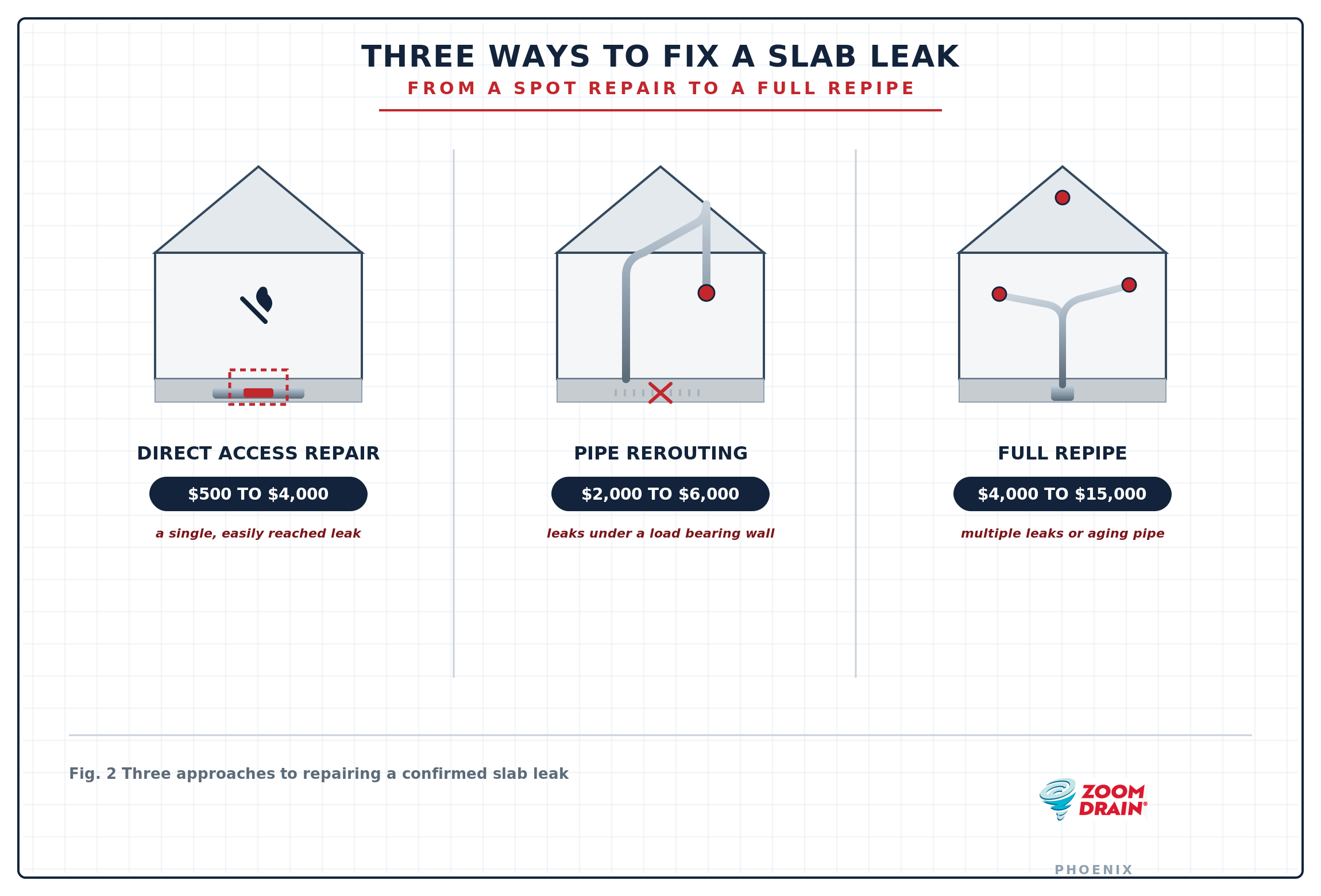
A slab leak occurs when a water line running underneath or through a home's concrete foundation develops a crack, corrosion hole, or joint failure, allowing water to escape into the soil or up through the slab itself. These lines are typically either the fresh water supply pipes feeding your fixtures or, less commonly, drain lines carrying wastewater away. Supply line leaks tend to be the more urgent problem, since they are under constant pressure and can leak continuously, day and night, until the issue is found and repaired.
Because the pipe sits beneath a layer of concrete and soil, a slab leak rarely announces itself the way a visible pipe burst does. Instead, homeowners typically notice indirect signs such as a spike in the water bill, a warm spot on the floor, or the sound of running water when every fixture in the house is off. Left unaddressed, a slab leak can undermine the foundation itself over time, in addition to wasting enormous amounts of water and driving up utility costs.
Several factors specific to Arizona make slab leaks more common here than in many other parts of the country. Understanding these causes helps explain why detection and repair pricing looks the way it does.
Copper pipe corrosion is the leading cause of slab leaks throughout the Phoenix Valley. Arizona's water tends to be hard and, in some areas, slightly acidic, both of which accelerate the gradual breakdown of copper pipe from the inside out. Over fifteen to twenty five years, this corrosion process can wear through the pipe wall at a weak point, creating a pinhole leak that grows larger over time.
Shifting desert soil also plays a significant role. Arizona's expansive clay soils swell when they absorb moisture and contract as they dry out, and that constant movement puts mechanical stress on rigid pipe running beneath the slab. Over years of these expansion and contraction cycles, pipe joints and weak points can crack or separate.
Extreme temperature swings between our scorching summers and cooler winter nights cause pipes to expand and contract repeatedly, which adds another layer of stress on top of the soil movement already at play. Homes built with older galvanized steel piping face an even faster corrosion timeline than copper, since galvanized pipe rusts internally in a way that narrows the pipe and eventually creates leaks at weak points, typically within thirty to fifty years of installation, sometimes sooner given local water conditions.
Before any repair can happen, a professional needs to pinpoint the exact location of the leak, since digging blindly through a concrete slab is not a reasonable option. Professional leak detection uses a combination of specialized listening equipment, thermal imaging, and sometimes tracer gas to identify the precise point of failure without unnecessary demolition.
Electronic leak detection, which uses acoustic listening devices to trace the sound of escaping water through the pipe and slab, typically costs between $150 and $500 depending on the complexity of the home's plumbing layout. Thermal imaging, which detects temperature differences in the slab caused by escaping hot or cold water, often runs in a similar range and is frequently used alongside acoustic methods for a more precise result. In more complex cases, tracer gas detection, where a safe, nontoxic gas is introduced into the empty pipe and detected as it escapes through the leak point, can cost more, generally between $300 and $600, but offers a very high degree of accuracy.
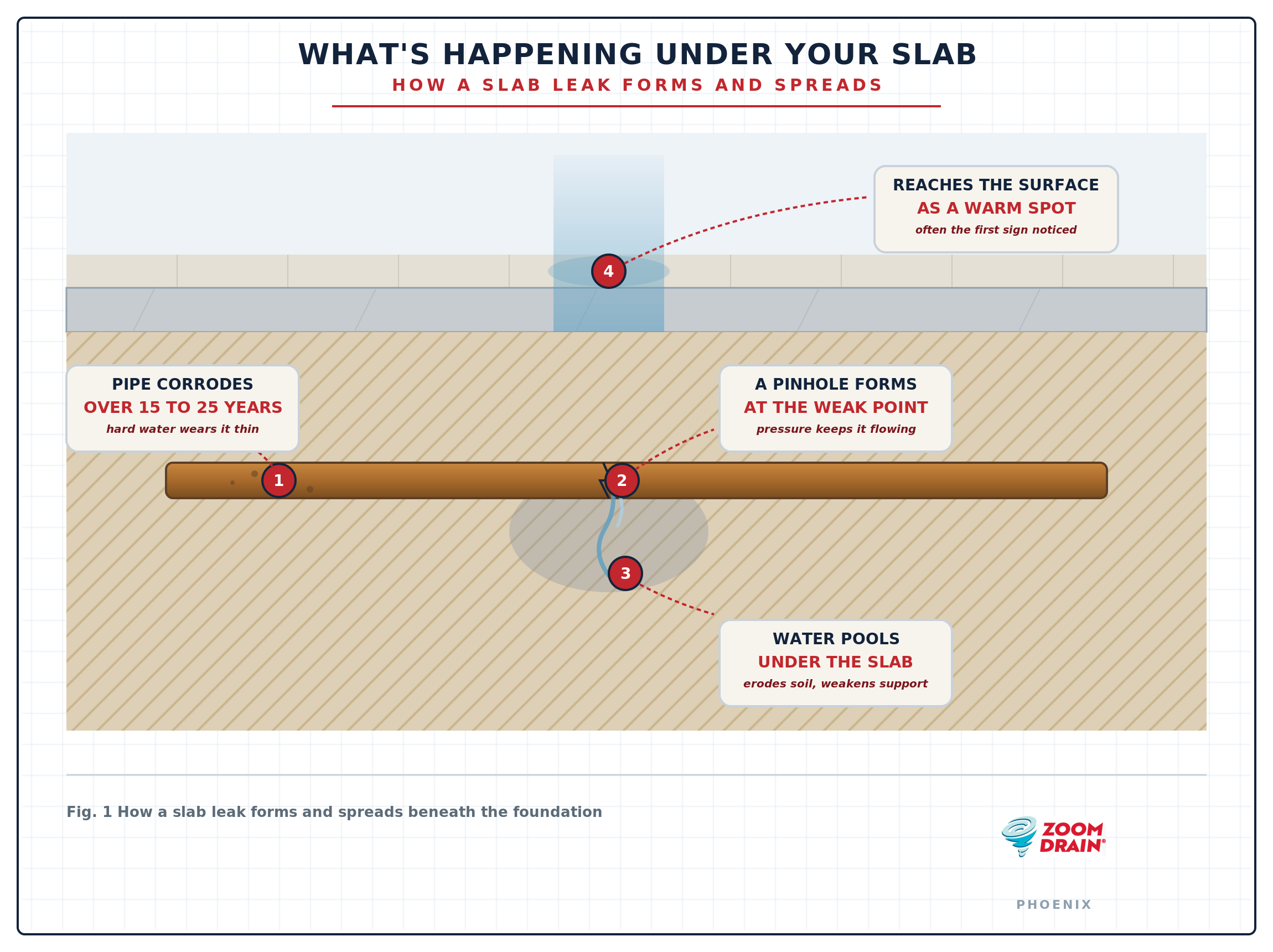
Once the leak location is confirmed, there are generally three approaches to fixing it, each with a different cost range depending on how invasive the repair needs to be.
Direct access repair involves cutting through the slab directly above the leak, repairing or replacing the damaged section of pipe, and then patching the concrete back over. This is often the most straightforward option when the leak is isolated to a single accessible point, and it typically costs between $500 and $4,000 depending on the depth of the slab, the location of the leak, and how much flooring material needs to be removed and replaced above it.
Pipe rerouting is often recommended when a pipe has multiple weak points or when the leak sits in a location that would be extremely difficult or costly to access directly, such as under a load bearing wall. Instead of repairing the damaged section, the plumber reroutes a new line through the attic or along an exterior wall, bypassing the damaged section of pipe entirely. This approach typically costs between $2,000 and $6,000, with the final price depending heavily on the length of the new line and the layout of the home.
A full repipe becomes the recommended solution when a home has multiple slab leaks, aging galvanized piping nearing the end of its useful life, or a pattern of recurring failures that suggests the entire system is compromised rather than just one section. This replaces all of the water supply piping throughout the home, typically routed through the attic and walls rather than back under the slab, and generally costs between $4,000 and $15,000 depending on the size of the home and the complexity of the plumbing layout.
Beyond the basic method chosen, several factors influence where a given job falls within these price ranges. The depth of the slab and how deep the pipe sits beneath it directly affects labor time and complexity. The type of flooring above the leak matters as well, since tile, hardwood, or natural stone all require more careful removal and more expensive replacement than a slab covered by simple carpet or an unfinished area like a garage.
Accessibility plays a major role too. A leak under an open living room floor is a very different job than one beneath a load bearing wall, a kitchen island with built in cabinetry, or a bathroom with a set tub. The age and condition of the rest of the plumbing system also factors in, since a single leak in an otherwise sound system points toward a simple repair, while a leak in a home with aging galvanized pipe throughout often makes a full repipe the more cost effective long term choice, even though the upfront price is higher.
A Zoom Drain Phoenix slab leak job starts with a thorough inspection using professional detection equipment to confirm both the presence and exact location of the leak before any work begins. We walk you through what we find, explain the repair options that make sense for your specific situation, and provide an upfront flat rate quote so you know the full cost before agreeing to any work.
From there, our technicians complete the repair using the method best suited to your home, whether that means a targeted direct access repair, a rerouted line, or a full repipe. Every job includes a final pressure test to confirm the repair is holding and the leak is fully resolved, along with cleanup of the work area before we consider the job finished.
How do I know if I actually have a slab leak versus another type of plumbing issue? A sudden, unexplained increase in your water bill combined with the sound of running water when everything is off is one of the strongest indicators. A professional inspection with proper detection equipment is the only reliable way to confirm it, since several other issues can produce similar symptoms.
Is slab leak repair typically covered by homeowners insurance? Coverage varies significantly by policy and by insurer. Many policies cover the cost of accessing and repairing the leak itself but exclude the underlying cause, such as normal pipe aging. It is worth reviewing your specific policy or contacting your insurer directly once a leak is confirmed.
Can a slab leak really damage my home's foundation? Yes, over time. Continuously escaping water can erode the soil supporting the slab, potentially leading to settling, cracking, or shifting of the foundation itself. This is one of the main reasons prompt repair matters even when the leak seems minor at first.
How long does a typical slab leak repair take? A direct access repair is often completed in a single day once the leak is located. Rerouting or a full repipe takes longer, typically a few days depending on the size of the home and the complexity of the plumbing layout.
Will I need to replace my flooring after a slab leak repair? If the repair requires cutting through the slab, yes, in most cases the flooring directly above the access point will need to be replaced. Rerouting and full repipe options generally avoid this since they do not require cutting into the slab itself.
What happens if I ignore a slab leak? The leak will continue to waste water and drive up your utility bill, and depending on the severity, it can eventually lead to significant foundation damage, mold growth, and much more expensive repairs than addressing it early would have required.
While not every slab leak is preventable, a few habits can reduce your risk and help catch a developing problem early. Monitoring your water bill for unexplained increases is one of the simplest and most effective habits, since it often catches a leak well before any visible signs appear. Scheduling periodic plumbing inspections, particularly for homes older than fifteen years or homes known to have galvanized piping, allows a professional to catch corrosion or weak points before they fail. If your home has older galvanized supply lines, discussing a proactive repipe with a professional, rather than waiting for multiple leaks to occur, is often the more cost effective long term approach.
A slab leak is stressful enough without also worrying whether you are getting an honest diagnosis and a fair price. Zoom Drain Phoenix uses professional grade detection equipment to pinpoint the exact source of a leak before any work begins, so you are never paying for guesswork or unnecessary demolition. Every job comes with upfront flat rate pricing, so the number we quote is the number you pay.
Whether you have a confirmed slab leak, a rising water bill you cannot explain, or simply want a professional opinion before a small problem becomes a much bigger one, our licensed technicians are ready to help. Call Zoom Drain Phoenix today at (602) 613 1114 or book your slab leak inspection online for fast, reliable service across the greater Phoenix area.