Written by
Zoom Drain Phoenix Team
Published on
August 10, 2026

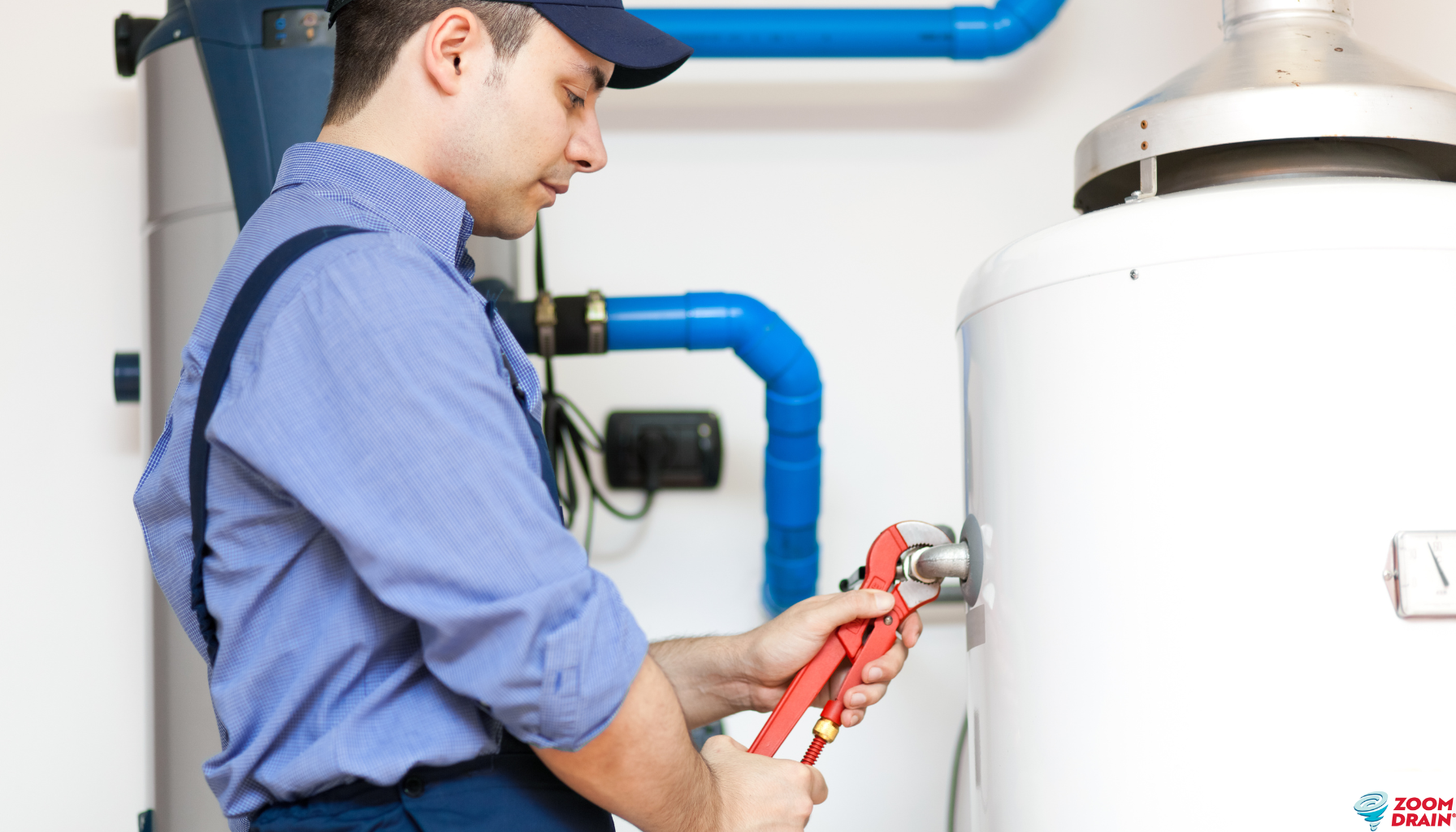
There is rarely a convenient moment for a water heater to fail. Whether the tank in a Central Phoenix bungalow finally gives out after fifteen years of hard water, or a growing family in Ahwatuku keeps running out of hot water halfway through the morning routine, the first question is almost always the same: what is this going to cost. Understanding typical Phoenix pricing before a technician arrives puts homeowners in a much stronger position to evaluate a quote and make a confident decision.
Most Phoenix homeowners pay between 1,400 and 5,400 dollars to replace a water heater, with the final number depending heavily on whether the home is getting a standard tank unit or a tankless system, along with the complexity of the installation itself. Phoenix has a few local factors that push replacement timelines earlier than in milder climates, and this guide walks through typical costs, what actually drives the price up or down, how tank and tankless systems compare, and the warning signs that mean a repair will not be enough.
For a fast, upfront quote on your specific situation, call Zoom Drain Phoenix today at (602) 613 1114 or book a water heater inspection online.
The single biggest factor in total cost is the type of unit going into the home. Tank water heaters remain the most common and the most affordable option for the large majority of Phoenix households, while tankless systems cost more upfront but offer a longer service life and continuous hot water.
Tank water heaters typically run 1,400 to 2,500 dollars installed, covering the unit itself, labor, and standard permit fees for a straightforward swap in the same location as the old unit. Tankless systems run higher, generally 2,500 to 5,400 dollars, since the equipment itself costs more and many installations require new gas lines, upgraded electrical circuits, or additional venting work that a simple tank replacement does not need.
The table below breaks down how the two options compare across the factors homeowners care about most: upfront cost, capacity, installation complexity, and expected lifespan.
No two installations are priced exactly the same, even for the same type of unit. A handful of variables consistently move the final number up or down, and understanding them ahead of time helps homeowners avoid surprises once a technician is on site.
Standard residential tanks run 40 to 50 gallons, which comfortably covers most households. Larger families or homes with multiple bathrooms often need 50 to 75 gallon tanks, or a higher capacity tankless unit rated for simultaneous fixture use, and both options cost more than the standard size. Undersizing a replacement to save money upfront is one of the most common mistakes homeowners make, since it usually means running out of hot water during busy mornings and evenings.
Sticking with the existing fuel type, gas to gas or electric to electric, keeps installation straightforward and costs on the lower end of the range. Switching fuel types, such as converting an electric tank to a gas fired unit, adds meaningful cost because it requires running a new gas line, adding proper venting, or in some cases upgrading the electrical panel to support a higher draw appliance.
Arizona has updated plumbing and building codes multiple times since many Phoenix homes were built, and a replacement is often the moment those older installations get brought up to current standards. Common upgrades include adding a seismic strap kit, installing a properly sized expansion tank on a closed plumbing system, upgrading a temperature and pressure relief valve discharge line, or improving combustion air venting for gas units installed in a closet or small utility space. None of these upgrades are optional once a permitted inspector flags them, so budgeting some flexibility for code compliance is smart.
.png)
A water heater installed in an easily reached garage corner or ground floor utility closet is the fastest and least expensive scenario. Units tucked into a second floor closet, an attic, or a tight space behind finished walls take longer to access, remove, and replace, which adds labor hours and therefore cost. Attic installations in particular often require additional protective pans and drain lines given Phoenix summer heat and the risk of a slow leak going unnoticed for months.
Hauling away and properly disposing of the failed unit is a standard part of a professional installation, but it is worth confirming it is included in any quote. A full fifty gallon tank filled with sediment and scale can be surprisingly heavy and awkward to move, especially out of a tight attic or crawl space, and that labor is baked into the total price homeowners see.
Warranty length varies significantly between manufacturers and tiers within the same manufacturer, generally ranging from six years on entry level tank units up to twelve years or more on premium tank and tankless models. A longer warranty raises the upfront price but can meaningfully lower the total cost of ownership, particularly in a hard water market like Phoenix where components wear faster than the national average.
Choosing between a tank and a tankless system comes down to upfront budget, expected lifespan, and how the household actually uses hot water day to day.
Tank water heaters remain the default choice for most Phoenix homes because they are less expensive to install, simpler to service, and familiar to virtually every local plumber. A standard tank typically lasts 10 to 12 years in the Phoenix area, which is somewhat shorter than the national average due to the mineral content in local water gradually corroding the tank lining and straining the heating element.
Tankless systems cost more initially but last considerably longer, typically 18 to 20 years with proper maintenance, and they heat water on demand rather than storing and reheating it continuously. That means no more running out of hot water during back to back showers, and lower standby energy losses over the life of the unit. The tradeoff is a higher upfront investment and, in Phoenix specifically, a stronger recommendation for annual descaling flushes given how quickly mineral buildup can restrict the small internal passages inside a tankless heat exchanger.
For homeowners planning to stay in a property for many years, the higher tankless lifespan often justifies the added cost. For those prioritizing the lowest upfront price or planning a shorter stay, a tank replacement remains the practical choice.
Not every water heater problem calls for full replacement, but certain signs reliably indicate that a repair will only delay the inevitable while costing money along the way. Recognizing these early can prevent a sudden failure and the water damage that often comes with it.
An aging unit paired with any one of these symptoms is usually not worth repairing. A licensed technician can confirm whether a repair still makes sense or whether the unit has crossed into replacement territory, and a straightforward inspection is the fastest way to get a clear answer instead of guessing.
Local conditions play a bigger role in water heater lifespan and replacement cost here than in most parts of the country, and a few Phoenix specific factors are worth understanding before scheduling service.
Water delivered through the Salt River Project and Central Arizona Project carries a meaningful mineral load, commonly tested between 16 and 22 grains per gallon across the Valley. Every cycle through a tank leaves behind trace calcium and magnesium that accumulates into scale, which shortens tank life, insulates the heating element from the water it is trying to heat, and forces the unit to work harder to reach the same temperature. This is the single biggest reason Phoenix tank water heaters often need replacing several years sooner than the same unit installed in a region with softer water.
Extreme summer heat is another factor, particularly for units installed in a garage or attic where ambient temperatures regularly climb well above what the equipment experiences in a conditioned interior space. Consistently high ambient heat can accelerate wear on tank insulation, external components, and any exposed wiring or connections.
Many Phoenix neighborhoods built before the 1990s were plumbed and wired under older code standards, so a replacement is frequently the first time a property gets an expansion tank, updated venting, or a properly sized gas line brought up to current requirements. Budgeting a small cushion for these updates avoids an unwelcome surprise mid project.
Zoom Drain Phoenix approaches every water heater replacement with the same standards used across the rest of the trade: honest pricing, licensed technicians, and equipment ready to complete the job in a single visit whenever possible.
Every quote is delivered upfront and in writing before any work begins, so there are no hourly surprises or added fees once the job is underway. Technicians arrive in fully stocked trucks carrying common tank sizes, fittings, and code compliance parts, which means same day replacement is realistic for most straightforward jobs rather than a multi day wait. Removal and disposal of the old unit is included as standard, the new installation is brought fully up to current Arizona code, and every job is backed by a workmanship guarantee separate from the manufacturer warranty on the equipment itself.
.png)
Most straightforward tank replacements are completed in two to four hours once a technician is on site. Tankless conversions or jobs requiring new gas lines, venting, or electrical upgrades typically take longer and may require a permitted inspection before the job is fully closed out.
For a unit under six or seven years old with a single isolated issue, a repair is often the more economical choice. Once a unit passes the ten year mark or shows multiple symptoms at once, the cost of repeated repairs usually exceeds the cost of simply replacing the unit outright.
Yes, most Phoenix area jurisdictions require a permit for water heater replacement, particularly when fuel type, venting, or location changes. A licensed installer handles the permit and inspection process as part of a proper installation.
Not immediately, but Phoenix hard water does shorten expected lifespan over time compared to regions with softer water. Periodic flushing and, for tankless units, annual descaling significantly slows mineral buildup and extends service life.
Every Phoenix home is a little different, and the only way to get an exact number is a quick on site evaluation from a licensed technician. Zoom Drain Phoenix provides upfront flat rate pricing, fully stocked trucks, and same day appointments for water heater replacement across the Valley. Call today at (602) 613 1114 or book a water heater inspection online to get a clear, honest quote before any work begins.