Written by
Zoom Drain Phoenix Team
Published on
August 10, 2026

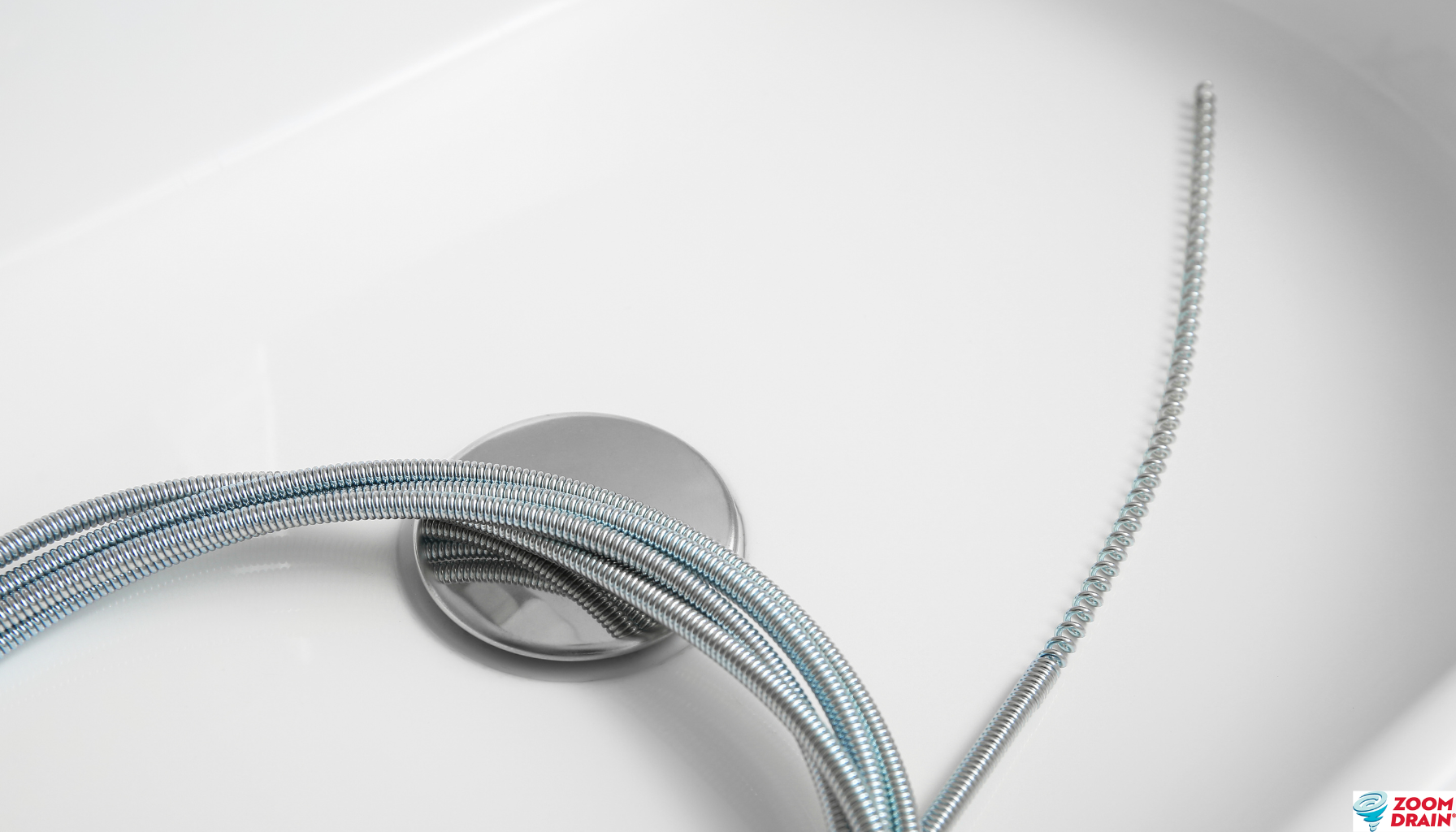
A drain auger, sometimes called a plumbing snake, is one of the most effective tools a homeowner can use to clear a stubborn clog that a plunger cannot handle. Used correctly, it can break up or pull out a blockage without any chemicals and without calling a professional. Used incorrectly, it can scratch porcelain, damage older pipe, or push a clog in deeper rather than clearing it.
This guide covers how to choose the right type of auger, the correct step by step process for using one, the mistakes that cause the most damage, and when the smarter move is to call a professional instead. For a clog an auger cannot clear, call Zoom Drain Phoenix at (602) 613 1114 or book online.
Not every auger is built for every job, and using the wrong one is one of the most common reasons a homeowner ends up frustrated or with a damaged fixture. A hand crank auger, sometimes called a drum auger, is the standard choice for sink, tub, and shower drains, offering enough reach and torque for most household clogs without being difficult to control. A closet auger, also called a toilet auger, is built specifically for toilets, with a protective sleeve that keeps the cable from scratching porcelain and a bend in the shaft designed to navigate a toilet's trap. A power auger, typically a cable attachment used with a drill or a dedicated motor, is meant for tougher clogs further down the line and is generally better suited to an experienced user, since the added power makes mistakes more consequential.
.png)
Beyond the auger itself, gather a few basic supplies before starting: rubber gloves, eye protection, an old towel or rag, and a bucket or trash bag for whatever the auger pulls out. If you are working on a sink, having a wrench or pliers on hand is useful in case the stopper or trap needs to be removed first.
Laying an old towel down under the work area also saves cleanup time, since even a careful auguring job tends to bring a small amount of water and debris back out with the cable. A flashlight is worth having nearby as well, particularly for tub and shower drains where the opening can be harder to see clearly.
Remove the sink stopper, the shower drain cover, or any other obstruction sitting over the drain opening, since the auger cable needs a clear path into the pipe. Most stoppers lift out by hand or twist counterclockwise, and most shower or tub drain covers come off with a screwdriver.
Push the auger head into the drain opening until it stops moving on its own, then lock the cable in place and turn the crank while applying steady, gentle pressure to feed it further into the pipe. Work in short sections, unlocking, pulling back a few inches, relocking, and cranking again, rather than trying to feed the entire cable in one continuous push.
When the cable meets resistance, that is usually the clog. Continue turning the crank slowly and steadily, which allows the auger head to either break through the blockage or hook onto it, rather than forcing the cable straight through, which risks damaging the pipe or pushing debris in deeper without actually clearing it.
Once you feel the auger catch the clog, pull the cable back out slowly without continuing to crank, so whatever the auger caught comes out with it rather than being released back into the pipe partway through.
Run hot water for a minute or two to flush out any remaining debris and confirm the drain is flowing normally. If it is still slow, repeat the process, since some clogs require more than one pass to fully clear.
.png)
A toilet requires a closet auger rather than a standard sink auger, since the protective sleeve and specially bent shaft are designed to navigate the toilet's trap without scratching the porcelain bowl. Insert the auger head into the bowl with the bend pointed toward the trap, then crank slowly while feeding the cable through. As with a sink auger, work in short sections and avoid forcing the cable if you meet firm resistance, since toilets are more prone to cracking than metal pipe if too much force is applied in the wrong direction.
Before reaching for a closet auger, it is worth trying a plunger first, since many toilet clogs clear with a few firm plunges and do not require the auger at all. If plunging does not work after a couple of attempts, that is the point to move on to the auger rather than continuing to plunge repeatedly.
A handful of mistakes account for most of the damage homeowners cause when using an auger themselves. Forcing the cable against resistance, rather than working through it slowly, is the single most common cause of scratched pipe interiors and cracked porcelain. Using a standard sink auger on a toilet risks scratching or cracking the bowl, since sink augers lack the protective sleeve a closet auger has. Combining a chemical drain cleaner with auguring is another common mistake, since the cable can splash chemical residue back at you, and mixing certain products can create dangerous fumes. Finally, over cranking once the cable is already past the clog can push debris further into the line rather than clearing it, turning an easy fix into a bigger blockage further down the pipe.
.png)
A hand crank auger handles the majority of household clogs, but a few situations call for either a power auger or a professional rather than continuing to work at it by hand. If a hand crank auger reaches its full length without clearing the clog, the blockage is likely further down the line than a standard household auger can reach. If the same drain clogs again within days or weeks of clearing it, that often points to a deeper issue, such as root intrusion or a structural problem in the pipe, that clearing the surface clog will not fix. And if multiple drains in the home are slow or backing up at the same time, the problem is likely in the shared sewer line rather than an isolated clog, which calls for a camera inspection rather than repeated auguring.
.png)
Hard water throughout the Phoenix Valley contributes to mineral buildup inside pipes over time, narrowing the interior diameter and giving grease, hair, and soap residue more surface area to catch on as they pass through. Combine that with older homes that still have original clay or cast iron drain lines, and it becomes clear why local households often deal with clogs more frequently than homes in softer water regions. Keeping an auger on hand for routine clogs, while knowing when a deeper issue calls for a professional, is a practical approach for most Phoenix homeowners.
An auger clears plenty of everyday clogs, but when a blockage keeps coming back or is clearly further down the line than a household tool can reach, Zoom Drain Phoenix technicians bring camera inspection equipment and professional grade tools to identify and fix the actual cause rather than just the symptom. Every job comes with upfront flat rate pricing before any work begins, and same day appointments are available across the Phoenix metro.
Can an auger damage my pipes if I use it correctly?
Used with steady, gentle pressure and without forcing the cable against resistance, a household auger is safe for most standard pipe materials. Older or already compromised pipe is more vulnerable, which is one reason a professional inspection is worth considering for a home with original plumbing.
What is the difference between a drain snake and a drain auger?
The terms are often used interchangeably, but a true auger typically has a thicker, stiffer cable that delivers more torque than a lighter drain snake, making it better suited for tougher clogs, while a lighter snake is often enough for simple hair or soap clogs near the drain opening.
Is it safe to use an auger after pouring a chemical drain cleaner down the drain?
It is best to avoid combining the two. Chemical residue can splash back during auguring, and running an auger through a drain that recently had chemical cleaner in it increases the risk of skin or eye contact with leftover product.
How do I know if a clog is too far down for my hand crank auger?
If you have fed the entire length of cable into the drain without reaching or clearing the clog, it is likely beyond the reach of a standard household auger, and a power auger or a professional camera inspection is the next step.
How often should I auger a drain as routine maintenance?
Most households do not need to auger drains on a set schedule if water is flowing normally. Kitchen sinks that see heavy grease disposal or bathroom drains prone to hair buildup can benefit from an occasional preventive pass every few months, but forcing an auger through a drain that is already flowing well is unnecessary.
If an auger has not cleared your clog, or if it keeps coming back, Zoom Drain Phoenix can identify the real cause with a camera inspection and clear it correctly the first time. Call us today at (602) 613 1114 or book online for fast, flat rate service across the Phoenix metro.