Written by
Zoom Drain Phoenix Team
Published on
August 10, 2026

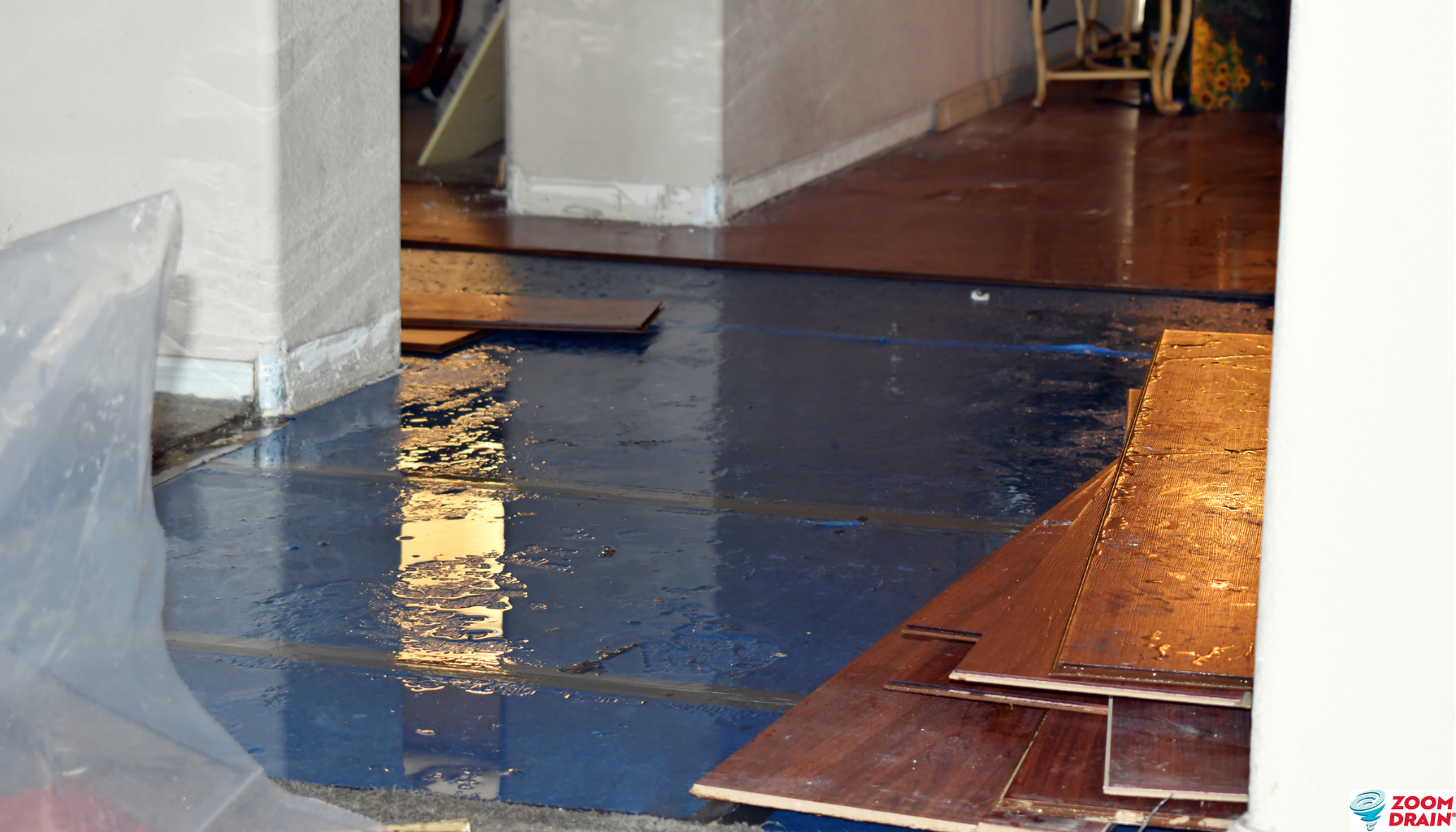
A plumbing leak beneath a home can be difficult to identify, especially when the water is hidden below a concrete slab. Unlike a leaking faucet or an exposed pipe, a slab leak may not produce an obvious visual sign right away. Instead, homeowners may notice changes in water pressure, unexplained increases in water usage, damp areas, or the sound of running water when no fixtures are operating.
For homeowners across the Phoenix Valley, understanding the potential warning signs of a slab leak can help identify a plumbing problem before it causes more extensive damage. Knowing what to look for and when to contact a professional can make it easier to determine what is happening beneath the home.
A slab leak is a leak that occurs in a water pipe located beneath or within the concrete foundation of a home, commonly referred to as the slab.
Many homes have plumbing lines running beneath the foundation. If one of these pipes develops a leak, water can escape underneath the concrete rather than appearing immediately inside the home.
The location of the leak can make detection challenging. Water does not always remain directly above the damaged section of pipe. Depending on the construction of the home and the path the water takes, moisture can travel through soil or other building materials before becoming noticeable.
A slab leak can involve a hot water or cold water line. The symptoms can vary depending on the location and severity of the leak.

Not every plumbing problem beneath a home is a slab leak. However, several warning signs can indicate that further investigation may be necessary.
A noticeable increase in water consumption without a corresponding change in household habits can be a warning sign of a leak.
For example, if your household water use has remained relatively consistent but your water bill suddenly increases, it may be worth checking for a plumbing leak.
Homeowners can also monitor their water meter. If all water fixtures and appliances are turned off but the meter continues to register water use, there may be a leak somewhere in the plumbing system.
A continuously moving meter does not automatically mean there is a slab leak. The leak could be located elsewhere on the property or inside the home.
Hearing water running when faucets, toilets, appliances, and other fixtures are not being used can be another indication of a plumbing leak.
A leak beneath a concrete slab may be difficult to hear, but some homeowners notice sounds such as running or rushing water coming from beneath floors.
If the sound persists after all water sources have been turned off, it is worth investigating rather than assuming it will resolve on its own.
Unexpected moisture on an interior floor can sometimes indicate water escaping beneath the slab.
A particularly noticeable warm spot can also be associated with a leak involving a hot water line. Homeowners may notice that one section of flooring feels warmer than the surrounding area without an obvious explanation.
These symptoms can have other causes, so they should not be treated as proof of a slab leak. They are simply reasons to investigate further.
A leak in a water supply line can sometimes be associated with reduced water pressure.
If water pressure changes noticeably throughout the home and there is no obvious explanation, a plumbing professional can help determine whether a leak or another plumbing issue is responsible.
Water pressure can be affected by many factors, so this symptom alone is not enough to identify a slab leak.
Homeowners sometimes associate unexplained cracks in flooring, walls, or other parts of the home with slab leaks. However, cracks can occur for many reasons, including normal settlement and other structural or environmental factors.
For that reason, a crack should not automatically be considered evidence of a plumbing leak.
If cracks appear alongside other signs, such as unexplained water usage, moisture, or persistent water sounds, it may be appropriate to have the plumbing system evaluated.
The biggest challenge with a slab leak is its location.
When a pipe leaks beneath concrete, the damaged section is not necessarily visible from inside the home. Water can move away from the actual leak before reaching the surface.
This means the location where moisture becomes visible may not be the location where the pipe is damaged.
Finding the source generally requires more than simply looking for wet flooring. A professional assessment can help determine whether the symptoms are consistent with a leak and where further investigation should be focused.
The goal is to identify the source as accurately as possible before determining what repair may be necessary.
A hidden leak beneath your slab can be difficult to identify on your own. If you are noticing unusual water usage, changes in water pressure, or other signs of a possible plumbing leak, Zoom Drain Phoenix is ready to help.
Call (602) 613 1114 to learn more about our drain and plumbing services and get started.
Slab leak detection typically begins with a review of the symptoms and the home's plumbing system.
A professional may look for evidence such as unexplained water consumption, pressure changes, sounds associated with escaping water, or areas of unusual moisture.
Depending on the situation, specialized leak detection equipment may also be used to help locate a hidden leak without immediately opening large areas of flooring or concrete.
The specific approach depends on the home's construction, plumbing configuration, suspected location of the leak, and available evidence.
Accurate detection matters because unnecessary excavation or removal of flooring can add disruption and expense. Locating the problem as precisely as possible can help determine the appropriate next step.
There is no single cause of every slab leak. Plumbing materials, installation conditions, age, soil conditions, and other factors can contribute to pipe problems.
Potential causes may include:
• Corrosion or deterioration of plumbing materials
• Damage to a pipe
• Shifting or movement affecting plumbing
• Problems associated with pipe installation
• Pressure related stress
• Age related deterioration
The exact cause cannot always be determined without examining the affected plumbing.
It is also important not to assume that every home in the Phoenix Valley will experience slab leaks for the same reason. Homes differ in age, construction, plumbing materials, foundation design, and maintenance history.
Homes throughout the Phoenix metropolitan area vary considerably in age and construction. That means plumbing systems can also differ from one property to another.
For homeowners in the Valley, paying attention to changes in water usage, pressure, moisture, and other plumbing behavior is a practical part of maintaining a home.
Arizona's dry climate can also make unexplained moisture more noticeable in certain situations. At the same time, visible moisture does not necessarily identify the source of a leak, so homeowners should avoid assuming that a particular wet area is directly above the damaged pipe.
The most useful approach is to treat unusual plumbing symptoms as clues that deserve investigation.
If you suspect a leak beneath your home's slab, start by confirming that water is not being used elsewhere in the house.
Turn off faucets and check appliances or fixtures that may use water. If appropriate, monitor the water meter to see whether it continues to register water use.
If you continue to notice unexplained water consumption, persistent water sounds, damp flooring, or other unusual symptoms, consider contacting a qualified plumbing professional for an evaluation.
Do not assume that the problem will disappear simply because the visible symptom is small. A hidden water leak can continue while remaining difficult to see.
If you notice significant water accumulation or active leaking, taking prompt action can help limit the amount of water entering areas where it can cause damage.
Detection and repair are two different steps.
Detection focuses on determining whether a leak exists and, if so, locating the affected area as accurately as possible.
Repair addresses the underlying plumbing problem once the source has been identified. Depending on the location and condition of the pipe, repair options can vary.
In some situations, accessing the damaged pipe may require work involving flooring, concrete, or other building materials. The appropriate repair method depends on the specific plumbing system and the nature of the damage.
That is why accurate diagnosis is an important first step.
There is no way to guarantee that a plumbing system will never develop a leak. However, homeowners can take practical steps to stay aware of potential problems.
Regularly reviewing water bills and watching for unexplained changes can help identify unusual water use. Homeowners can also pay attention to changes in water pressure, unexpected moisture, or sounds of running water when the plumbing is not being used.
Addressing smaller plumbing problems promptly may also help prevent them from becoming more extensive issues.
For older homes, understanding the age and type of the plumbing system can be useful when planning maintenance and evaluating recurring problems.
A hidden plumbing leak is not always something a homeowner can diagnose accurately by sight.
Consider professional evaluation if you notice:
• Water usage that cannot be explained
• A water meter that continues moving when water is not being used
• Persistent sounds of running water
• Unexpected dampness or warm areas on flooring
• Unexplained changes in water pressure
• Multiple plumbing symptoms occurring at the same time
The sooner the source is identified, the sooner you can determine what needs to happen next.
Unexplained water usage, damp flooring, or the sound of running water can be signs of a hidden plumbing leak. Zoom Drain Phoenix can help identify the source of your plumbing problem and determine the appropriate next step.
Call Zoom Drain Phoenix at (602) 613 1114 to discuss your plumbing concerns and schedule service.
Common warning signs can include unexplained water usage, persistent sounds of running water, damp areas, warm spots on flooring, or changes in water pressure. These symptoms can have other causes, so professional evaluation may be necessary to determine whether a slab leak is actually present.
A plumbing leak can introduce water into areas where it may contribute to property damage. The potential impact depends on factors such as the amount of water released, the location of the leak, how long it continues, and the materials affected.
The repair approach depends on where the damaged pipe is located and the construction of the home. Accurate leak detection can help determine where access may be necessary and what repair options are appropriate.
Slab leaks can occur in homes in Phoenix and throughout the Valley, but the likelihood and causes vary between properties. Home age, plumbing materials, construction, installation, and other factors all influence the condition of a plumbing system.
A small leak can continue to release water even when the visible signs appear minor. If you have evidence of unexplained water use or another persistent plumbing symptom, having the issue evaluated can help determine whether there is an active leak and what should be done next.
A plumbing leak beneath a concrete slab can be difficult to identify because the damaged pipe is hidden from view. Paying attention to unusual water usage, sounds, moisture, and other changes can help homeowners recognize when something may be wrong.
If you suspect a hidden plumbing problem at your Phoenix area property, Zoom Drain Phoenix can help you determine the appropriate next step. Contact our team to discuss your plumbing concerns and arrange service based on your property's needs.